Check Your Public Library

Reading beekeeping books is a good way to familiarize yourself with beekeeping terms and equipment.

Beekeeping, like gardening, is as much an art as science. The more you know about the basics, the better you can be successful keeping your bees happy and healthy.

If you don't know what books to check out, start with the ones with photos. I also enjoy diaries of beekeepers; they give me a better perspective on the cycle of beekeeping.

Charlotte
Sticky Situation

It takes some finesse to work with honey.  One of it's properties is that it's very sticky!

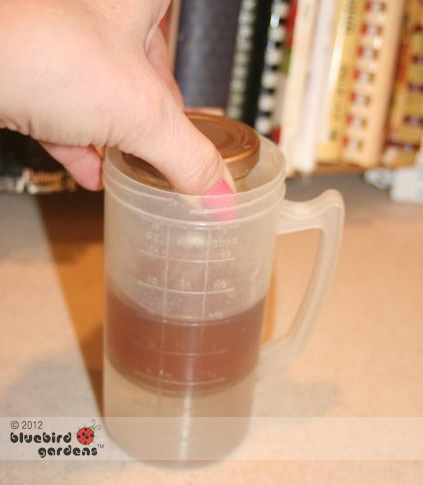
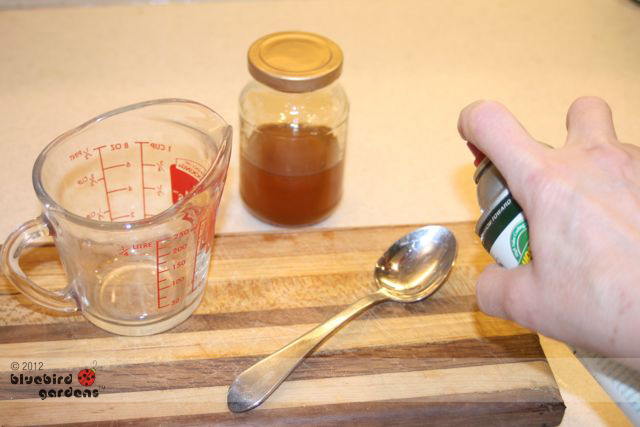
When cooking with honey, first spray utensils lightly with vegetable spray.

Allow to dry for a couple of minutes, then pour honey into it.

Vegetable spray will help honey slide smoothly from your measuring utensils and make clean-up easier.

Did you know it takes 12 bees their lifetime to make 1 teaspoon of honey?

Charlotte

Bees Packing Pollen

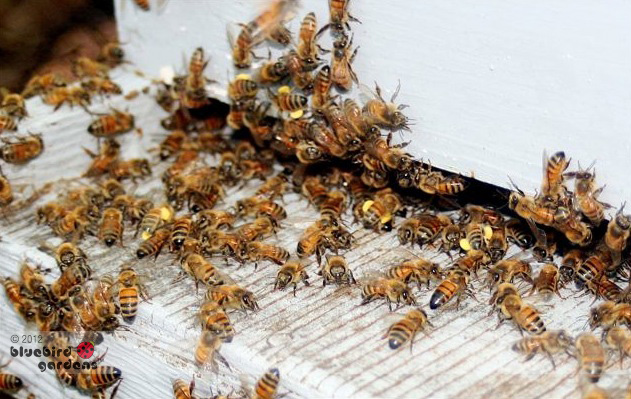
One of the most wonderful scenes at a bee hive is the arrival of bees "packing pollen."

Bees will fly about 2 miles from the hive to find a pollen source. After getting their leg pouches full of pollen, bees will fly back to the hive and sometimes literally fall into the hive with their heavy baggage. Their pollen-filled legs are obvious as they slide into the hive entrance.

Once they lighten the load, they do a little waggle dance to communicate to other bees where they found pollen.

Pollen is the basic ingredient bees use to make honey.

Charlotte

Ouch But That Didn't Hurt

You know you have your doctor's full attention when he walks into the examining room, glares - hands on hips - and declares  "BEES???"

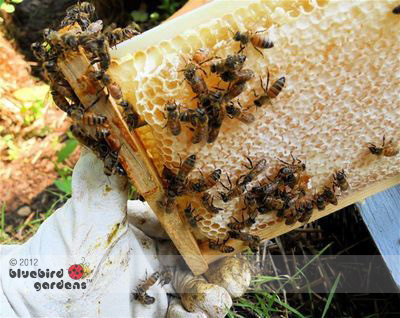
Well, not "B-E-E-S, " more like one itty bitty little angry honeybee; ok, maybe two, but nothing like a huge, gigantic, woman-eating swarm or anything. Scientists have now confirmed bees have feelings so I'm thinking this was one, very hot, and VERY surly little honeybee that stung me on my right cheek. I don't recommend it instead of Botox but hey, it does get rid of wrinkles. I was harvesting my second batch of honey, moving the most beautifully-full honey frames from the hive to outside my garage door. I had moved four of the six frames into the kitchen, leaving two frames of honey in an empty hive box outside. Make a note - NOT a good idea.

Read More

How to Use a Honey Dipper

Honey dippers are designed to easily transfer honey without getting honey, well - over everything.

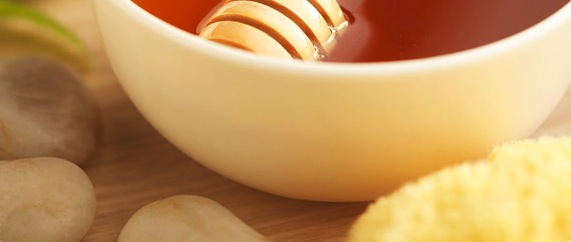
To use a honey dipper, dip the spiral end into honey and turn to coat. Move the dipper to where you want honey, then slowly twirl, allowing honey to drip.

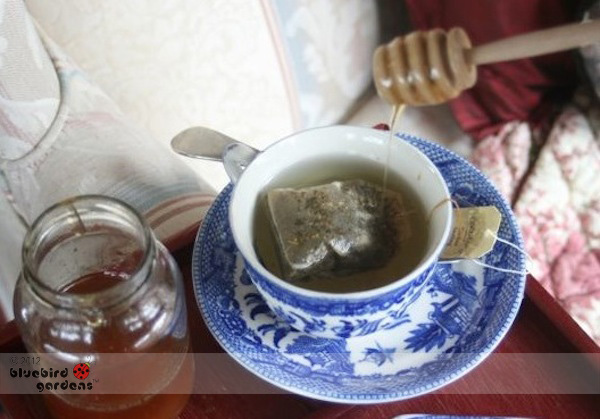
Use honey dippers to drizzle honey over breads, fruit, salads, even tea.

Wash as you would a wooden spoon. Pat with a dish towel to fully dry; then allow to air dry.

Charlotte

Sweat Bee and Butterfly

Wild bees are as important to our garden and food diversity as European honeybees.

Recent research confirms wild bees are major contributors to pollination, and they are also dying in record numbers. Wild bees are pollinators that keep plants genetically-diverse while plants produce vegetables and fruits we enjoy eating.

Did you know wild bees pollinate tomatoes and peppers?

Butterflies are also part of the pollination cycle, moving pollen as they flit around flowers. Although they don't make honey, wild bees have a major part keeping our environment healthy, and delicious.

Charlotte

Spider McBees

Bees also have natural predators, such as this red spider that spun her web next to one of my bee hives.

As bees flew in and out of the hive, they got caught in the web. The spider wove webbing around them until she could eat them.

I moved the spider once, only to find her back.

The second move was to the other side of the garden. Bees have enough of a challenge without becoming a spider's McBees right outside the hive.

Charlotte

Find Your Local Beekeeping Meeting

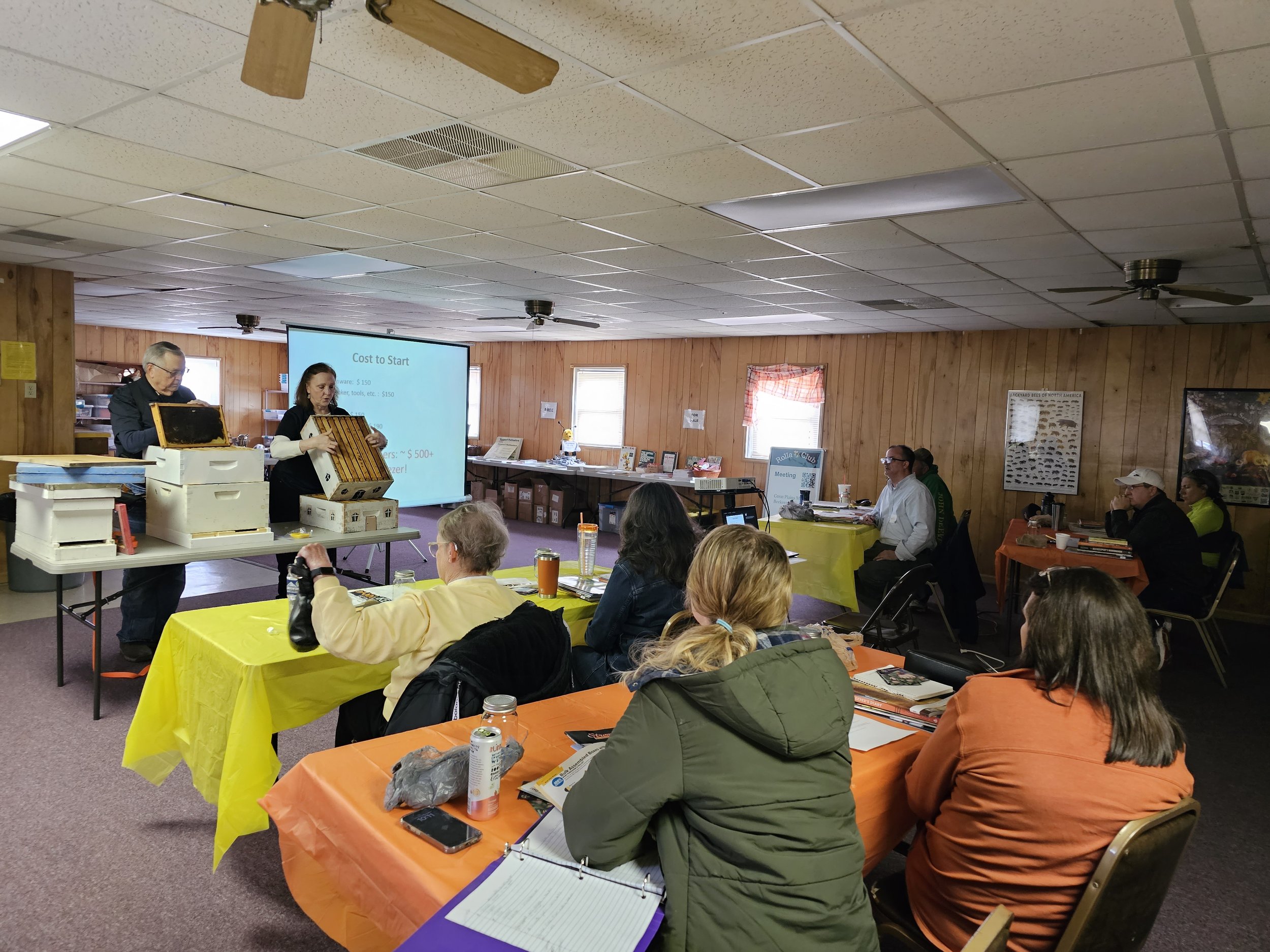
If you've ever been tempted to keep bees, find your local beekeeping group and start to attend meetings.

You will meet a range of beekeepers from beginners to experienced, and get a sense for what it takes to successfully raise bees.

Members will also be sharing beekeeping adventures, which will also give you a forum to ask questions. I enjoy Mid-Missouri Beekeeping Association meetings because I can take my challenges to them and get a variety of possible answers.

It's also fun to spend a few hours with a group learning and enjoying bees.

Charlotte
Bee Hive Clean Up "Crew"

Do you see what I first spotted after taking this picture?

Bottom right, at the front of the hive - a lizard. At first I thought oh no, another predator eating my bees!

After watching it for awhile, the lizard went back to its clean up patrol, eating dead bees along the front porch of the hive.

My bee mentor confirmed later that lizards play an important role around a hive, keeping the area clean.

Charlotte
My, How Big You Are!

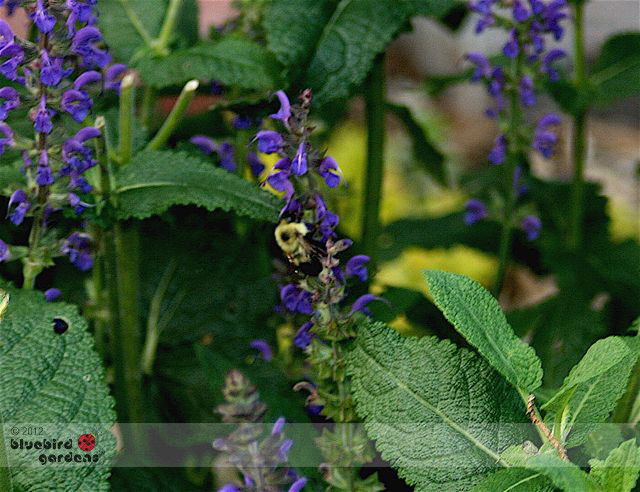
One of the larger wild bees in my garden is the carpenter bee. The carpenter bee literally drills holes in wood to lay eggs and raise brood. About as big as a bumble bee with a smooth black back, these large, solitary bees flit from flower to flower with acrobatic grace, moving quickly, and sometimes dizzily, until they find a place to light.

This carpenter bee spies a nice grove of Missouri wildflowers Virginia Cowslip, or Bluebells. I'm guessing these lovely wildflowers would look like giant trees to a carpenter bee...

Do you see carpenter bees in your garden?

Charlotte
Favorite Honeybee Flowers

According to US Department of Agriculture, beekeepers loose about 30 percent of their hives during winter. Although there are a number of theories why honeybees are dying in record numbers - one out of every three fruit or vegetable we eat is courtesy of honeybee pollination - not having enough good pollen sources is sometimes mentioned as one of the factors. After getting my two honeybee hives settled in, I thought I would find a list of favorite honeybee plants and start adding them to my garden. It wasn't that easy.

Read More

Soak Your Cares Away

Honey is very versatile. One of its best properties is attracting, and retaining moisture.

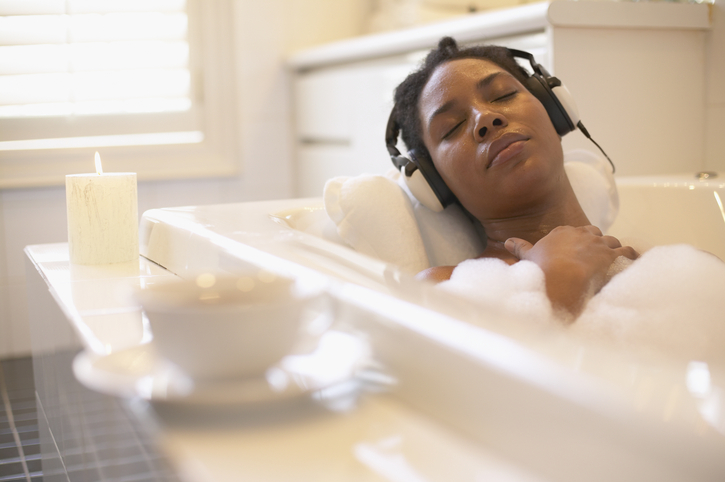
One of the best treats to give yourself after a hard day is a warm bath with 1/4 cup honey. I just pour it out of one of my little recycled jars with the gold tops.

Considering it took 12 bees a lifetime to make one teaspoon, honey really is very precious. Soak for 10-20 minutes.

Bring along a book - I'm currently reading "The Secret Life of Bees."

Charlotte

Honey Laundering??

My friend Paul in Washington DC has a wacky sense of humor. When he led one of his recent emails with "don't look now but your honey has been laundered," I thought he was sending me a link to some weird news story about a beehive making it through a car wash. The link was to Food Safety New's early November 2011 findings that 3/4rths of imported honey sold in grocery stores doesn't qualify as honey. As I understand the issue, it boils down to having detectable pollen, which means the honey source can be identified. In the U.S., the Food and Drug Administration says any product that's been ultra-filtered and no longer contains pollen isn't honey.

Read More

Pick up Beekeeping Catalogs

If you're tempted to keep bees, order a few beekeeping catalogs to get familiar with terms, products and prices.

One of the best tips I can share is pick a company relatively close to your home. Beekeeping equipment is heavy and shipping prices can be daunting.

You can usually order catalogs online through major beekeeping companies like Dadant, Walter T. Kelly and Brushy Mountain.

Charlotte

First Hives

My neighbor Rudy used to keep bees. He would periodically come by to retrieve them when a swarm would settle into one of my Chinese maple trees. He said they couldn't resist my garden, a mixture then of native Missouri wildflowers and garden center sale perennials.

Years later, when I put beekeeping on my bucket list, I thought about Rudy and how he would dress to get his bees - rubber boots, a stained white space suit, chicken wire veil. Those were his best tools.

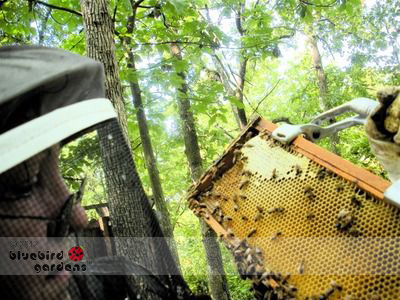
My beekeeper's best friends include a veiled hat; good leather gloves; smoker; hive tongs and hive brush. I think Rudy would approve.

Charlotte

Looking for Queen Bee

My assignment was to find one of my honeybee queens and (sigh) kill her. One of my two honeybee hives had been struggling. The verdict from more experienced beekeepers was that my queen bee - she's the only one in the hive of 40,000 plus honeybees that lays - is not laying her 1,200 eggs or so a day so she needs to be removed. Normally a queen bee will live 4-5 years, as opposed to a worker bee's 6 weeks of life producing 1/12th of a teaspoon of honey.

Read More

Can You Still Use Chrystallized Honey?

There's nothing wrong with honey that has turned cloudy and become thick.

To return crystallized honey to liquid form, place honey container in hot water for 5-7 minutes. Be careful of how hot you get the water; it can destroy some of honey's natural antioxidants. Do not heat honey in the microwave because it alters the honey taste.

It only takes a few minutes for honey to turn back into its original liquid form so every couple of minutes pull it out of the water to see if it's liquified.

Charlotte

How You Can Help Honeybees

Want to help honeybees?

Stop using pesticides and plant a wildflower, or three. Purdue University researchers have found nicotine-based pesticides are contributing to 1/3 of honeybees - and wild bees - dying each year. Lack of habitat has also been a factor so plant a variety of native plants so bees will have something blooming all year.

Why?
Besides all the benefits of having honeybees in a garden, bees - both honeybees and wild bees - are also responsible for pollinating 2/3 of all of our food.
Eye-opening, isn't it?
Plant yellow and blue flowers, those are bees favorites!

Charlotte

Honey Is A Sweet Treat For Skin

In addition to being a great natural sweetener, honey has a multitude of benefits that many people don’t know about.

Manufacturers have used honey in everything from hand lotions and moisturizers to bar soaps and bubble baths. One reason they use honey is for its wholesome, all-natural image; more and more consumers are demanding cosmetics and personal care products made from natural ingredients.

Honey is a humectant, which means it attracts and retains moisture. This makes honey a natural fit in a variety of moisturizing products including cleansers, creams, shampoos and conditioners.

Look for honey in store-bought beauty products or simply add a squeeze of honey to your moisturizer, shampoo or soap at home.  For some extra pampering, try whipping up a simple beauty recipe yourself. I will share some of my personal favorites!

Charlotte